
The website redesign trap: when making it look better changes nothing
“We just need the website to look better.”
It’s something we hear quite often.
And there’s nothing wrong with wanting a better looking website. Design matters. Your website is one of the most visible parts of your business and it needs to represent you properly.
But a new visual identity and a nicer looking homepage won’t fix everything.
If the proposition is confusing, the user journey doesn’t make sense or your team hates using the CMS, a fresh coat of paint isn’t going to solve the problem.
A better looking website isn’t always a better website
It’s easy to judge a website based on how it looks.
• Does it feel modern?
• Does the branding look right?
• Do the images work?
• Does it feel premium?
These things matter, but they’re only part of the picture.
A good website also needs to answer some much more important questions.
• Can people quickly understand what you do?
• Can they find the information they’re looking for?
• Does the website speak to the right audience?
• Does it support your sales and marketing?
• Can your team actually manage it?
• Does it work well on mobile?
• Are you able to see what’s working?
If the answer to these questions is no, changing the colours and typography probably isn’t going to make much difference.
Start with what’s actually going wrong
Before redesigning a website, it’s worth working out why you want to redesign it in the first place.
Look at your analytics.
Look at your search data.
Speak to the people who use the website.
Talk to your sales team.
Ask your marketing team what’s frustrating them.
Look at the questions customers keep asking.
Find out which parts of the CMS are difficult to manage.
You might discover that the biggest problem isn’t the design at all.
Maybe people can’t find your services.
Maybe the website doesn’t explain what makes you different.
Maybe your best performing pages are buried three clicks deep.
Maybe your team has stopped updating the website because it’s too difficult.
Those are much more useful things to know before you start designing.
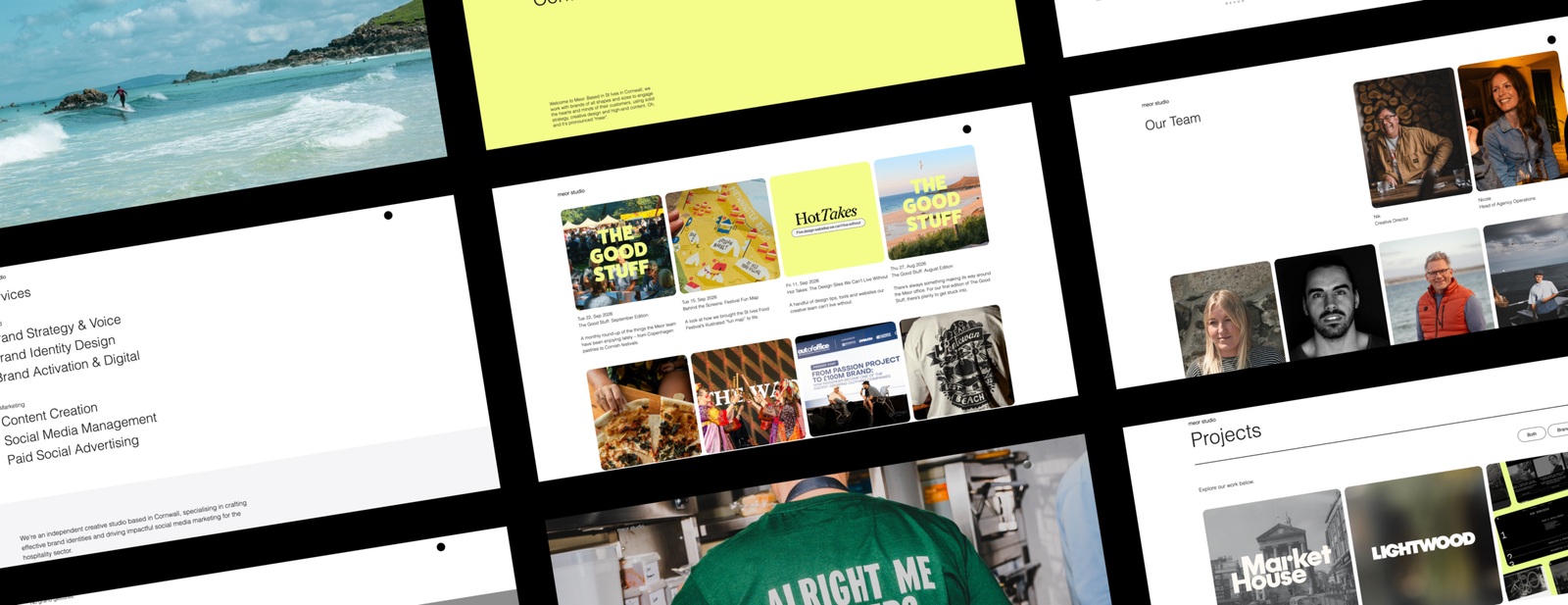
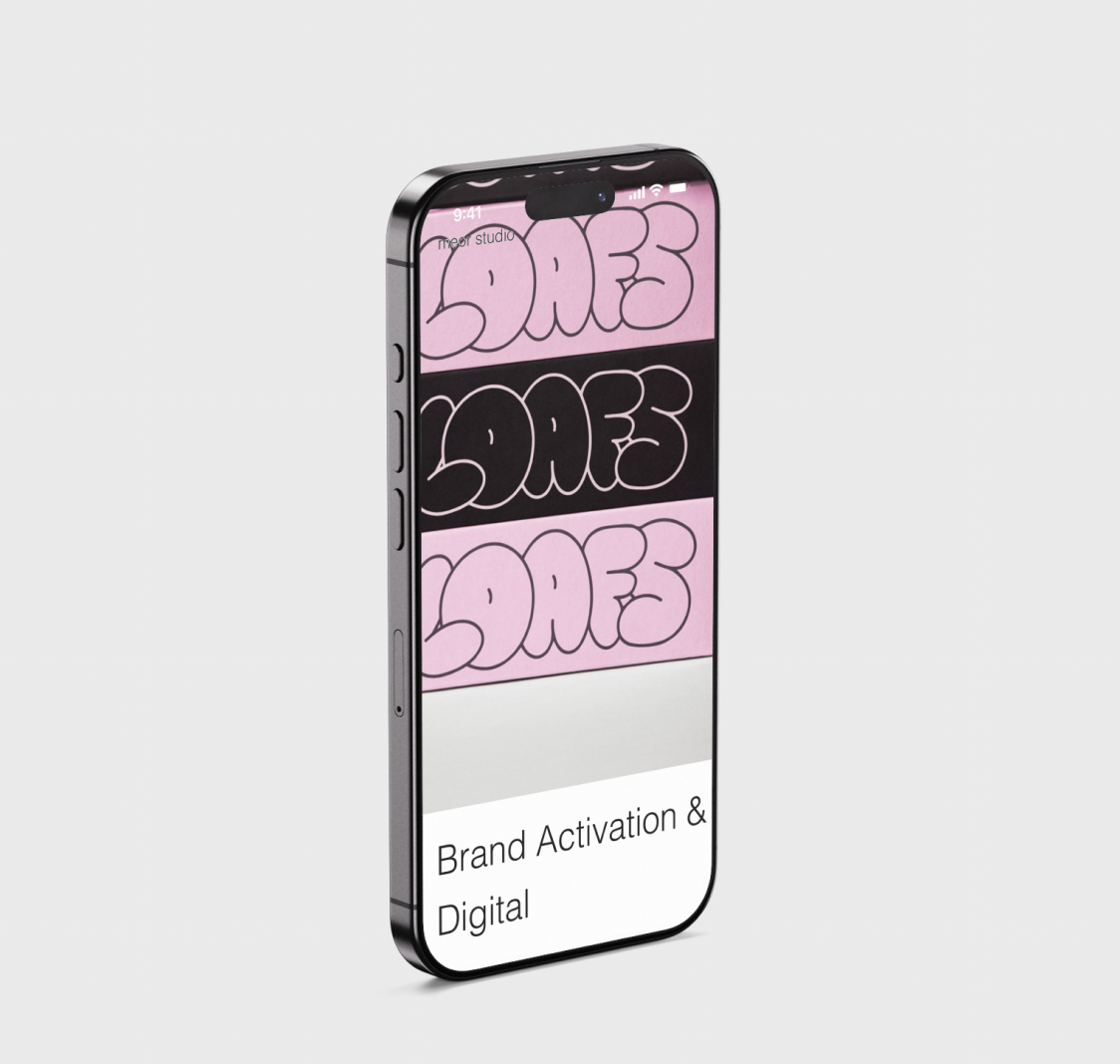
Meor Design
WordPress development for a creative design studio
Give the design a job to do
Once you understand the problems, design becomes much more useful.
Instead of asking, “How can we make this look better?”, you can ask, “How can we make this work better?”
That might mean simplifying the navigation.
It could mean changing the page structure.
It might mean rewriting the content.
It could involve completely rethinking the homepage.
Or it might mean building a better CMS so your team can actually use the website properly.
The visual design is still important, but it now has a purpose.
It needs to make the information easier to understand, guide people towards the right actions and communicate the quality of your business.
You might not need to start again
Not every website needs a complete rebuild.
Sometimes a few well considered changes can make a big difference.
You might need to restructure your key pages, improve the content or fix some technical issues.
You might need a new homepage but not a completely new website.
Or you might find that the existing website is holding you back in too many ways and a full redesign makes more sense.
The important thing is to work that out before you start.
What should a website redesign achieve?
A redesign should have a reason behind it.
Maybe you want to generate more enquiries.
Maybe you’re targeting a different type of customer.
Maybe your business has grown and the website no longer reflects it.
Maybe you’re launching new services.
Maybe your marketing team needs more control.
Maybe the current website simply isn’t doing a good enough job.
Whatever the reason, it should be possible to explain what success looks like.
A website redesign shouldn’t just give you something that looks nicer.
It should give your business a website that’s easier to understand, easier to use and easier to manage.
That’s when a redesign starts to become more than a design exercise.
It becomes a business decision.